


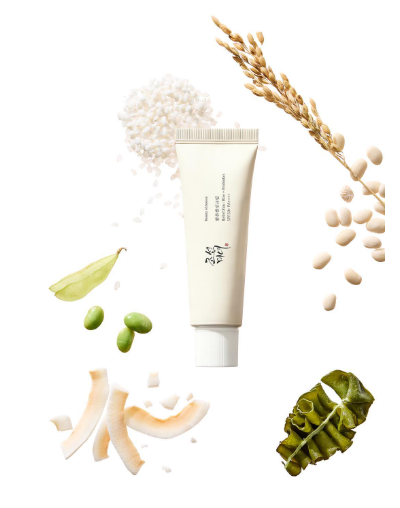
This is because Korean manufacturers are releasing new products one after another by adding technology based on domestic materials.
According to sources in the industry on Sunday, Korean beauty company Chosun Beauty is exporting more than 2 million pieces of clean rice sunscreen to more than 100 countries including the U.S., Europe, Australia and India on average per month. This product is highly evaluated overseas for its less white cast (skin whitening phenomenon) and its texture like lotion that makes it easy to apply and not sticky. This product also topped Amazon’s sun care category in the U.S.
A representative product that fostered Joseon beauty into a K-beauty giant is also a clear rice sunscreen. Applying oriental medicine concept while preparing for overseas expansion, the company hoped to develop a product that made use of the most Korean-style materials. Kolmar Korea, an ODM manufacturer, proposed a product that uses vegetable protein derived from rice, a staple food of Koreans, to Goodai Global, the operator of Korean beauty products, and it was born as the current sunscreen.
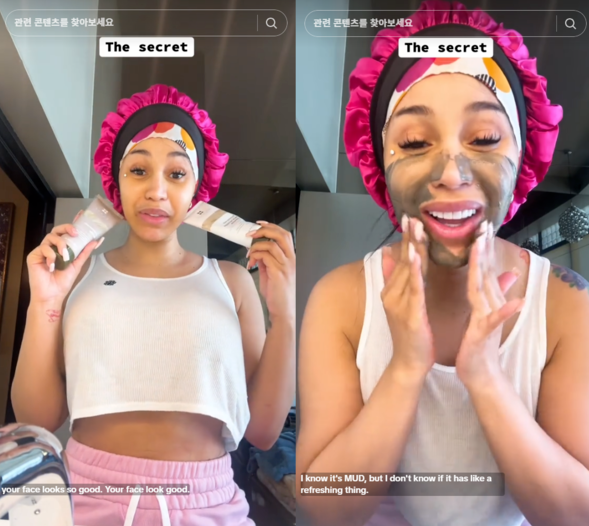
Cardi B, a famous American artist, recently made headlines by using a mud pack in Korea through social networking services. The product was created by a small- and medium-sized Korean brand called “Bialmud.” The main ingredient of the “Recovery Mud Mask” is mud from Boryeong, South Chungcheong Province. Kolmar Korea has enhanced the adsorption power of waste products by increasing the content of mud to more than 30 percent and applying ultra-fine powder technology, which is one-40th the size of flour. The product is called Cardi B Mud Pack and has advanced into a total of 11 countries including Costco in the U.S.
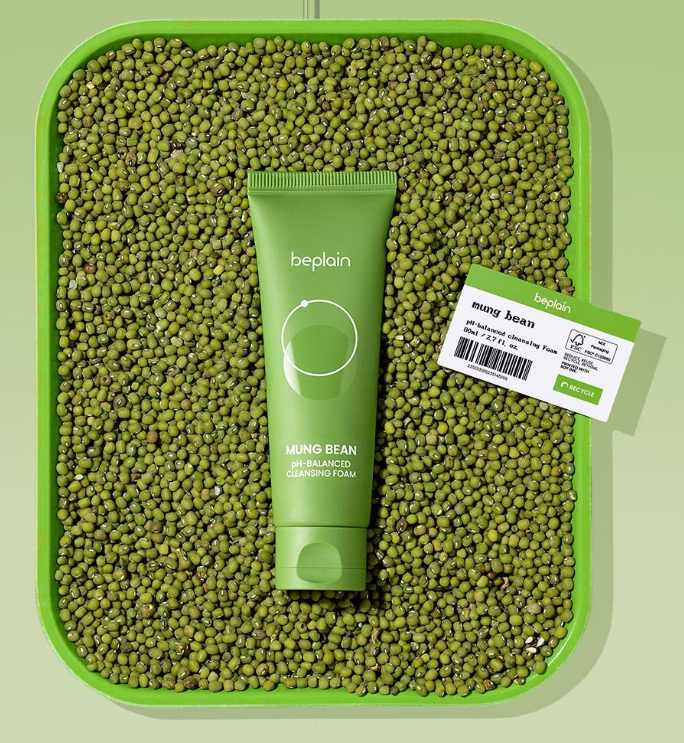
“Mung bean weak acid cleansing foam” (hereinafter referred to as mung bean foam), which contains domestic mung bean ingredients, is also gaining popularity in various countries such as the United States, China, Vietnam, and France as word of mouth spread through SNS. Mung bean foam is increasing both at home and abroad with a formulation containing mung bean raw materials and a clean feeling of use that does not leave a residual feeling. Since its launch, cumulative sales have exceeded 10 million, and “Be Plain,” which made the product, posted overseas sales, up about 37% year-on-year last year.
Kolmar Korea has become a strong supporter of these products. In particular, the company invests about 6 percent of its sales in R&D every year, focusing on product development. As of last year, R&D investment amounted to about 130.9 billion won. Recently, the company started research on plant-based PDRN, which is drawing attention as an alternative material for animal polydeoxyribonucleotides (PDRN). Plant-based PDRN is a technology that can extract DNA components from plants and mass-produce them, and it is attracting attention as a future strategic material that meets the values of vegan cosmetics and ESG (environmental, social, and governance).
An official from Kolmar Korea emphasized, “Differentiated R&D using Korea’s unique resources is playing a key role in enhancing K-beauty’s position in the global market.”
SALLY LEE
US ASIA JOURNAL

