


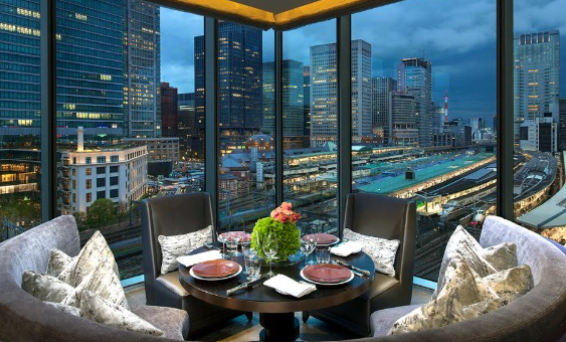
On the 17th, Japan’s Asahi Shimbun reported that a total of 15 famous luxury hotels in Tokyo, including Imperial Hotel, Hotel New Otani, Okura Tokyo, and Hyatt Regency Tokyo, held regular meetings every month to exchange information on room utilization, average accommodation rates, and rate setting policies.
The media reported that their meetings appear to have been a practice that has lasted for decades. Some hotels are suspected of actually raising accommodation rates through meetings.
Japan’s Fair Trade Commission delivered a warning and demanded measures to prevent a recurrence, judging that each hotel’s act of determining the rate by comparing the rate with the rate of the competitor’s room is a violation of the “anti-trust law” and collusion (cartel).
In addition, it is strengthening its response, noting the possibility that such information sharing activities have been widespread in business hotels and hotels outside Tokyo. Recently, the Japanese corporate credit research company “Tokyo Business Research” said that the average room unit price of 11 companies, including business hotels, was 15,537 yen from July to September last year, up 86.7% from 8320 yen in 2021 when COVID-19 was spreading.
Meanwhile, 15 hotels have reportedly stopped exchanging information. “The exchange of information was not intended as collusion,” the Imperial Hotel said.
SAM KIM
US ASIA JOURNAL

