


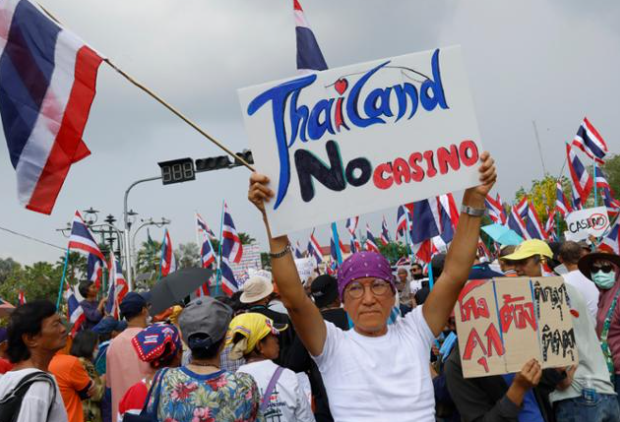
Thailand, a tourism powerhouse in Southeast Asia, is speeding up its legalization of casinos. The move is aimed at attracting foreign tourists and securing more tax revenue. However, as gambling addiction has emerged as a social problem, there are growing opposition that “there will be more harm than good.”
According to the Bangkok Post and other sources on Monday, the Thai cabinet officially passed a bill to legalize casinos with the aim of revitalizing the tourism industry and economy on the previous day. The House of Representatives will soon undergo a full-fledged deliberation and voting process.
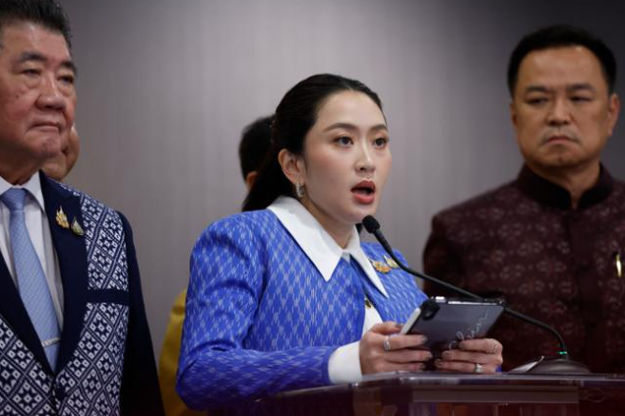
The government bill calls for operating a casino in a complex with hotels, shopping malls, convention halls, and theme parks. Thai Prime Minister Patton Shinawatra said, “The number of foreign tourists will increase by up to 10 percent when the complex is built,” and expected to secure tax revenues of about 3.26 billion baht through the casino. In Thailand, gambling is not allowed except for state-run horse racing and lottery tickets. However, illegal gambling is rampant in the shade, and addiction has been a social problem. At the end of last year, Global Investment Bank (IB) Citigroup analyzed in a report that “if casinos are legalized, about half of the population aged 20 or older in Thailand can become casino participants (players).”
Considering this situation, the Thai government has decided to significantly raise the threshold for domestic participation. Instead of opening it for free for foreigners aged 20 or older, an admission fee of 5,000 baht will be imposed on Thai people. In order for Koreans to enter the country, they also need to show a transaction statement that they have at least 50 million baht in bank deposits in the past six months. Considering that Thailand’s per capita GDP was $7,300 last year, the amount is beyond the reach of ordinary people.
Thailand decided to open its gambling industry because tourism is urgently needed. Thailand’s tourism industry accounts for 20% of its gross domestic product (GDP), either directly or indirectly. The local government is implementing various policies, including hemp, non-criminalization visa exemption, and reduction of alcohol prohibition time, to recover the tourism industry, which has been directly hit by the COVID-19 pandemic. In addition, as the casino legalization was promoted, global casino companies such as Galaxy Entertainment Group, MGM Resorts International, and Las Vegas Sands are reportedly preparing to enter Thailand.
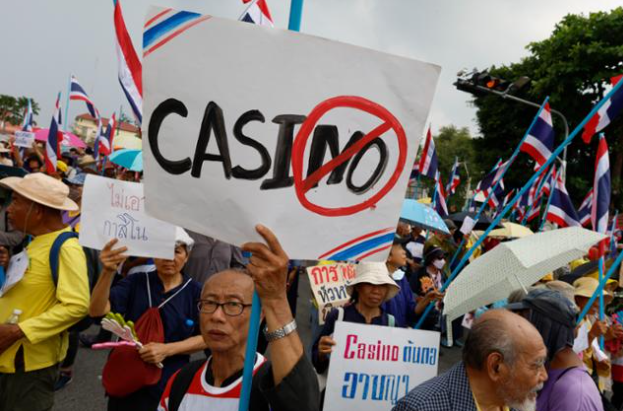
However, there is still a long way to go. Right now, there are a lot of opposition from within Thailand. After the announcement by the Cabinet, hundreds of civil society organizations gathered in front of the government building to protest against the legalization of casinos. Citizens participating in the protest, Peachit Chaimongol, told the Bangkok Post that the government is encouraging bad practices and tempting citizens to go in the wrong direction.
In a survey of 1,310 people aged 18 or older conducted by the National Institute for Development and Administration (NIDA) in January this year, 6 out of 10 (59.2%) opposed the construction of a complex entertainment complex that includes casinos.
EJ SONG
US ASIA JOURNAL

